I treat what the history reveals.
Most physiotherapy treats the scan. I treat the pattern behind it. Before I touch an injury, I listen to its story. Because the pain is almost never where the problem started.
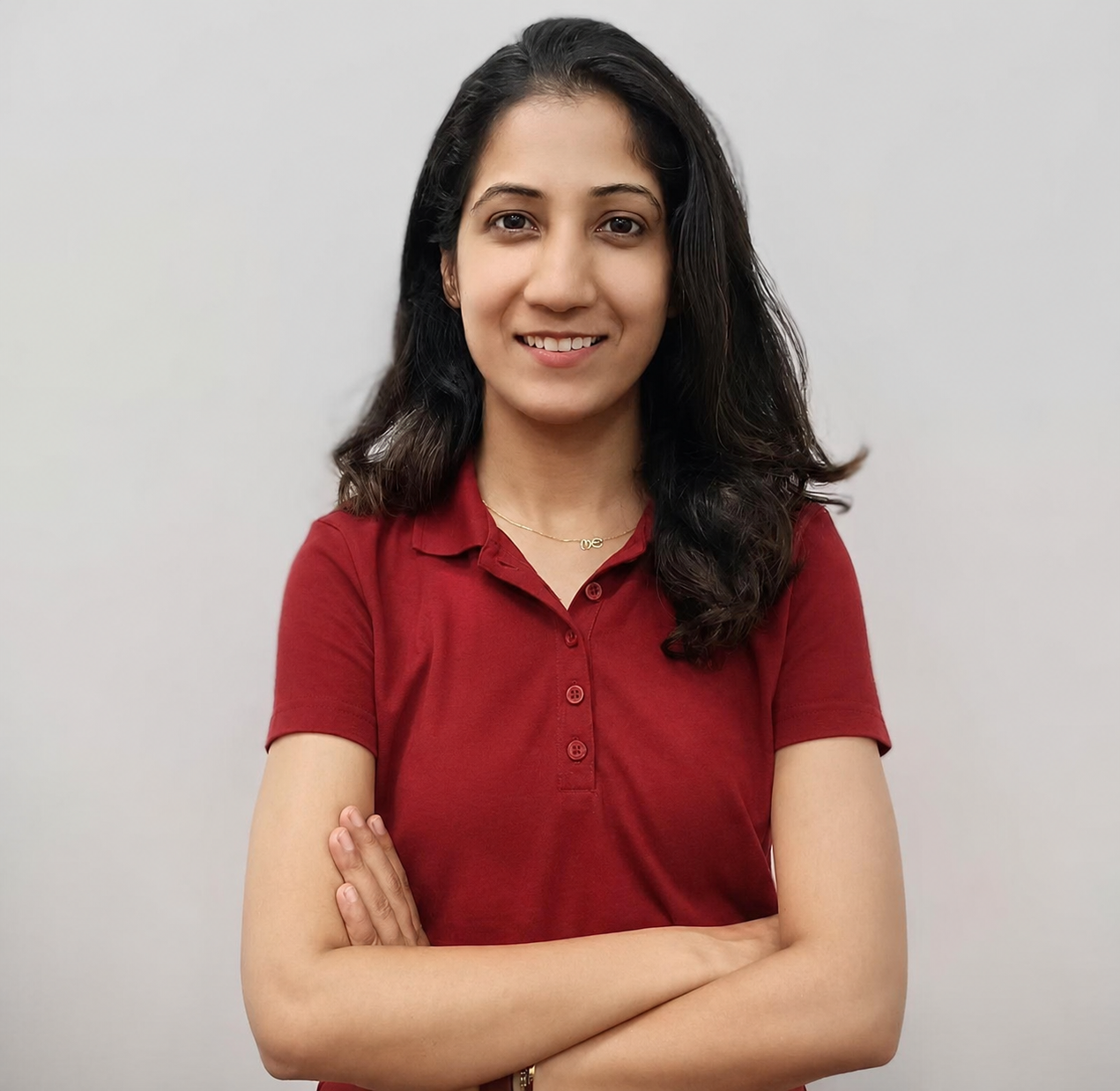
Built in the field. Not just the clinic.
Every posting shaped how I assess and treat. International standards, national-level athletes, and defence forces. Each taught me something a textbook cannot.
My first on-field posting. I travelled across India with competitive sports teams for national events. These were uniformed forces athletes. Extraordinarily disciplined, training twice over. The primary challenge was overtraining, not undertraining.
Field postings to Australia, Hong Kong, Italy, Germany, and Russia. I worked alongside international physiotherapists across multiple disciplines and learned that elite rehabilitation is exercise-based, not machine-based. Proper warm-ups, strength training, structured recovery, as standard, not optional.
During this posting I worked ISSF shooting events including the World Championship in Moscow and Junior World Cups in Sydney and Italy, alongside international golf events including the Hong Kong Open, Bangabandhu Cup in Dhaka, and the Hero Women’s Indian Open.
National-level athletes. A full multi-disciplinary sports science team: nutritionist, psychologist, anthropometrist, strength and conditioning coach. This is what integrated athlete care actually looks like. I was the physiotherapist for the Indian Archery team at the 2021 World Archery Youth Championships in Wroclaw, Poland.
Senior leadership and clinical responsibility across 15 disciplines. The Chhatrasal wrestling community found me here through word of mouth. One wrestler’s ACL rehabilitation sent him back to sport. And back to his teammates with a referral. Wrestlers came to me despite having in-house physios at Chhatrasal.
Before I treat any injury, I listen to its story. Because the pain you feel is almost never where the problem actually started. The body compensates. It protects itself. And that compensation is usually where the real work needs to happen.
Dr. Manvi Dhyani, PT. MPT Sports Physiotherapy
Sport-specific. Condition-specific. Always root-cause first.
I work with competitive athletes and general patients equally. The approach is the same: find where the problem actually started, not just where it hurts.
Wrestling Rehabilitation
Greco-Roman and freestyle require different protocols. I understand the muscle demands of each. Not just the injury. Chhatrasal wrestlers seek me out for this reason.
ACL Rehabilitation
Surgery is a repair. Return to sport is the real work. Before clearing anyone for competitive play, I run the Melbourne Protocol: hop tests, strength within 90 to 95 percent of the uninjured side, and full range of motion. Feeling ready is not the same as being ready.
Shoulder Conditions
Frozen shoulder, rotator cuff tears, and impingement are three different problems. I differentiate them through clinical assessment, not assumptions, before any treatment begins.
Post-Surgery Rehabilitation
Surgery fixes the structure. Rehabilitation restores the function. I work with patients after knee, shoulder, and spine surgeries to ensure they return to their actual life. Not just to walking.
Chronic Lower Back Pain
I treated a patient with lower back pain that five physiotherapists had missed. The problem was a pronated foot changing the entire kinetic chain upward. The back was the symptom. Not the source.
Strength-Based Rehabilitation
International exposure taught me that machine-based physiotherapy is not enough. Functional strength, proper loading, and structured conditioning are how athletes actually recover and stay recovered.
The pain and the problem are rarely in the same place.
A patient came to me with chronic lower back pain. He had seen multiple physiotherapists. Nothing had worked. In my assessment, I found two things nobody had looked for: weak glutes and a pronated foot on one side.
The foot was changing his entire kinetic chain upward. The back was compensating for years. It was not a back problem. It was a base problem.
We strengthened the full chain from foot muscles to calf to hamstring to glutes to back. Once the base was strong, the back pain resolved. He had not needed back treatment. He had needed the right assessment.
Listen to the history
Before any physical examination, the pattern of the injury reveals more than the scan.
Assess the full chain
If the knee is painful, I check hip rotation, knee flexion and extension, and ankle mobility. Compensation often shows up as overpronation or supination at the foot before it ever reaches the painful joint.
Find the root cause
Treating the symptom gives temporary relief. Treating the cause gives lasting recovery.
Rebuild the base
Strength, stability, and functional movement. So the problem does not return six months later.
What patients ask before their first session.
What 12 years in field sport actually taught me.
One session changes how you understand your injury.
Saket, New Delhi · +91 92893 03555
WhatsApp to Book